
Secondary Glazing for Sash Windows in Scotland
Scotland’s architectural heritage is one of its greatest assets — from Georgian townhouses in Edinburgh and Glasgow to traditional cottages in the Highlands. A defining feature of many of these homes is the classic sash window: elegant, historic and full of character. Yet while sash windows enhance curb appeal, they often fall short in energy performance compared with modern glazing.
That’s where secondary glazing for sash windows comes in — a cost-effective, energy-saving retrofit that boosts comfort, reduces noise and preserves traditional aesthetics. In this guide, we’ll explore why secondary glazing is an ideal solution for Scottish homes, the key benefits, the types available, cost considerations and what to look for in a quality installation.
What Is Secondary Glazing for Sash Windows?
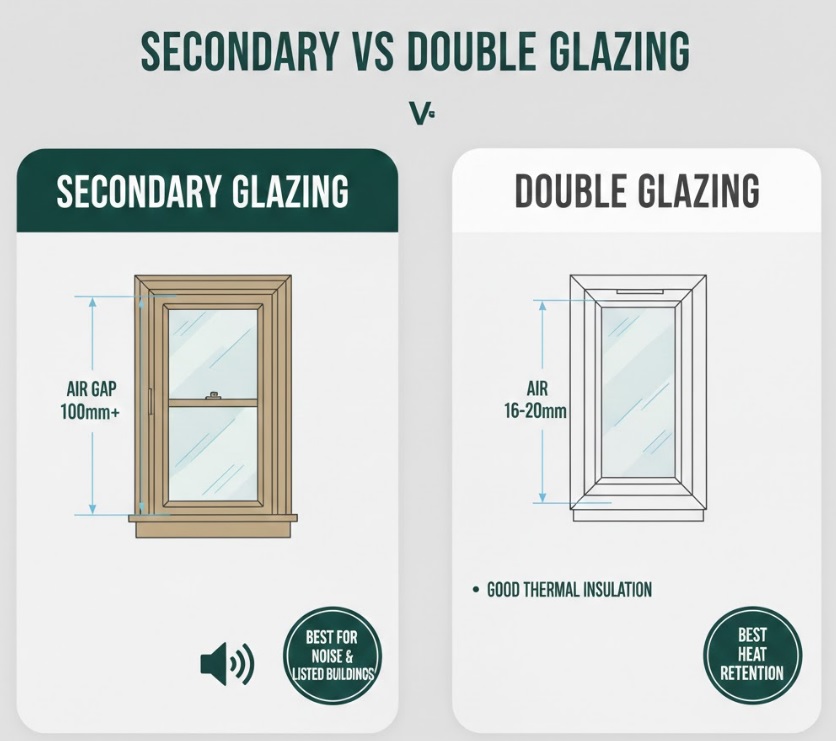
Secondary glazing is the process of adding a second pane of glass or glazed unit behind — or inside — your existing sash window frame. Unlike replacing the original windows, secondary glazing works with your current sash windows, preserving their look while dramatically improving performance.
This additional layer creates a sealed air gap between the original window and the secondary pane, which acts as a buffer that:
- Reduces heat loss
- Improves acoustic insulation
- Reduces condensation
- Enhances weather protection
For period properties or homes in conservation areas where replacing original windows might be restricted, secondary glazing provides a heritage-friendly solution that retains architectural integrity.
Why Secondary Glazing Is Ideal for Scottish Homes
✔ Enhanced Thermal Insulation in Cold Climates
Scotland’s long, cool winters and damp weather make insulation a top priority for homeowners. Traditional sash windows, while beautiful, often allow heat to escape through single glazing and draughts.
By installing secondary glazing:
- Heat loss through windows is significantly reduced
- Energy bills decrease
- Indoor comfort improves in winter and cooler months
Whether you live in a stone townhouse, tenement flat or rural cottage, secondary glazing helps maintain a more consistent indoor temperature with less reliance on heating systems.
✔ Significant Noise Reduction
Urban living in Scotland — especially in cities like Glasgow, Edinburgh or Aberdeen — often means coping with street noise, transport sounds and neighbourhood activity. Secondary glazing provides an additional acoustic barrier, helping to lower noise transmission into living spaces.
This makes it particularly beneficial for:
- Bedrooms facing busy streets
- Homes near railways or airports
- Ground-floor flats with high foot traffic outside
Improved sound insulation means quieter, more peaceful interiors for work, rest and everyday life.
✔ Protection of Original Sash Windows
Many Scottish homes are listed buildings or fall within conservation zones where alterations to windows are restricted. Removing historic sash windows might be costly, impractical or prohibited.
Secondary glazing:
- Preserves original window frames
- Avoids planning complications
- Maintains architectural character
It’s a reversible solution that respects heritage while delivering modern performance gains.
Types of Secondary Glazing for Sash Windows
There’s no one-size-fits-all when it comes to secondary glazing — especially for sash windows of varying shapes and sizes. Here are the most common options:
Fixed Secondary Glazing
Best suited for windows that don’t require regular opening. Fixed panels deliver excellent insulation and minimal visual impact.
Sliding Secondary Glazing
Ideal for sash windows that need ventilation or frequent access. Sliding units allow movement along horizontal or vertical tracks and are especially useful for tall sash windows.
Hinged or Lift-Out Secondary Glazing
These configurations provide access for cleaning or emergency escape. Panels can be swung open or lifted out when needed.
Each system can be tailored to your specific window size, sash style and performance goals.
How Secondary Glazing Saves Money & Improves Efficiency
Although secondary glazing involves an upfront cost, the long-term savings can be substantial. Homeowners often see reductions in:
- Heating bills
- Condensation and mould-related maintenance
- Wear and tear on existing windows
The improved energy performance can also contribute to higher overall property value — an important advantage for Scottish homeowners with an eye toward resale or rental income.
Choosing the Right Secondary Glazing Installer in Scotland
To get the best results, work with a reputable installer experienced in sash window projects. Here’s what to prioritise:
✔ Local Knowledge & Heritage Sensitivity
An installer familiar with Scotland’s architectural styles and conservation guidelines will ensure solutions that fit both performance and appearance requirements.
✔ Custom Design & Professional Fit
Every sash window is unique. Quality secondary glazing should be custom constructed and professionally installed to maximise performance.
✔ Thermal & Acoustic Performance Data
Ask for performance ratings such as U-values (thermal efficiency) and sound insulation figures to compare products effectively.
✔ Warranty & Aftercare
Reliable aftercare service and a solid warranty offer peace of mind, especially for long-term investments.
Final Thoughts: A Smart Investment for Scottish Homes
Whether you’re living in a Victorian townhouse in Glasgow, a Georgian terrace in Edinburgh, or a charming stone cottage in the Borders or Highlands, secondary glazing for sash windows offers a proven way to enhance comfort, cut energy costs and preserve historic charm.
It’s an energy-efficient, cost-effective retrofit that respects tradition while delivering modern performance — a combination that makes it ideal for Scotland’s diverse housing stock.
Brucefields Cottage, Hillhead Farm, Stirling, FK7 8EX
Tel: 07584 699607